

Related Post

It is unfortunate, that with the vast advancements in auto technology people still get involved in vehicle accidents. In some cases, the cars involved in a collision can be recovered, and this is where getting the best repair services is crucial. Below we discuss how to determine the best services for your car collision repair.
Selecting the best car co
llision repair
References
This is an essential service selection initiative. By asking around or  scouring the web, you can get referrals from people who have had the same service provided to them. Especially when it comes to sensitive matters such as car collision, it is paramount that you hear what other people have to say before you attempt it. If a given service provider is known to provide the best services, chances are you will hear about them.
Staff
One of the most important factors is to check out the team that will be working on your vehicle. By randomly asking for their qualification you can quickly identify how competent the staff is. You want to choose a service provider that has experienced people in its team. This ensures that your wrecked vehicle gets the best restoration, which will make it safe to drive again.
Prices
As much as a service is proficient, it is still useless to you if it doesn’t fall under your budget. After making sure that the service provider is competent enough, ensure that you can afford their service. Some services are also overprices based on ridiculous patterns, for instance, a shop in a posh neighborhood might be expensive compared to a middle-class settlement are. Therefore, make your choice wisely based on your budget.
Added services
Added services such as towing can be an 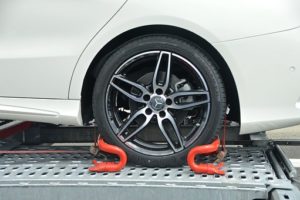 added advantage when selecting the ultimate car collision repair service. This ensures that you get all relevant services under one roof. While additional services are in no way a reflection of a service provider’s competence, it is still nice to have all the needed services provided by one entity. In some cases, this also ensures that the overall cost is cheaper.
These are some of the important factors to consider when seeking services for car collision repair. Cars are important, especially in contemporary times. Hence it is paramount to ensure that the individuals that work on it are qualified.

Are you planning to take an ED course online? How can it benefit your driving when you study online? The truth is that driver’s ED courses can offer many benefits, and this will help you obtain a driver’s license. As you know, it is now compulsory to take this course. That explains why different colleges and universities offer these courses. In this case, part of the coursework is offered online, and tests are done offline.
Prepare for Test
You should note that colleges that provide these courses have done a lot of research. They know all the driving regulations and rules. Moreover, they understand what is tested in both driving and written exams. Thus, when you enroll in this course, you will learn important basics that give you an idea of the driver’s education requirements.
Understand Need for Safety
 There are different things you can learn from the web-based driver’s ED course. For instance, you will learn things about traffic laws, signs, and important safety tips. You will meet experienced trainers and learn about safe driving. All these things will make you a good driver.
Cheaper
As you know, enrolling in a commercial driving school is quite costly. That is because schools must invest in facilities and amenities. However, with an online driver’s ED course, you can easily afford it. Therefore, if you want to save money, you should consider this alternative.
Reduce the Cost of Driving Test
When you have completed the driver’s ED course, you are likely to pay a discounted driving test cost. That is because some states offer discounts to students who have completed a given number of hours. Ensure you carry your course completion certificate when going for a driving test.
Better Accessibility
When you enroll in a driving school, you will be required to be in a given location to complete your coursework. However, if you are busy, it can become difficult to attend classes. Fortunately, with an online driver’s ED course, you can access the classes from wherever you are. Moreover, you can complete the lessons when it is convenient for you.
Convenient
Another reason to try the driver’s ED course is that it allows you to complete the course at your own pace. When you enroll in driving school, you will be required to take about three weeks to complete your course. Fortunately, with online driving lessons, you have a lot of flexibility, and you can complete the course when you want.

Relying on a single paycheck may feel comfortable, but it often leaves little room for flexibility when unexpected financial situations arise. Many people today are exploring additional ways to earn, not just for extra cash but for long-term stability. Multiple income streams can come from side hustles, investments, freelance work, or small businesses. Over time, these sources can reshape how individuals manage money and plan for the future. Instead of depending on one source, income diversification creates a stronger financial base. It allows individuals to adapt to changes and take advantage of new opportunities. This article explores the long-term advantages of building multiple income streams and why this approach can lead to greater financial security and personal growth.
Increased Financial Security

One of the most important benefits of having multiple income streams is improved financial security. When income comes from different sources, the risk of losing everything at once is reduced. If one stream slows down or stops, others can help maintain stability. This approach acts as a safety net, especially during uncertain economic periods. It allows individuals to cover essential expenses without relying entirely on one job or business. Over time, this added security creates peace of mind and reduces financial stress.
Greater Wealth-Building Potential
Multiple income streams provide more opportunities to grow wealth. Instead of relying on a fixed salary, additional earnings can be saved or invested. This accelerates financial growth and allows individuals to build assets faster. Extra income can be used to invest in stocks, real estate, or business ventures. These investments can generate even more income, creating a cycle of growth. Over the long term, this strategy can significantly increase overall wealth.
Flexibility and Financial Freedom

Having more than one income source gives individuals greater control over their financial choices. It allows them to make decisions without being entirely dependent on a single employer or client. This flexibility can lead to improved work-life balance. For example, someone with multiple income streams may choose to reduce working hours in one area while maintaining overall earnings. Over time, this freedom can lead to a more balanced and fulfilling lifestyle.
Opportunity to Explore Skills and Interests
Building additional income streams often involves exploring different skills and interests. Whether it is freelancing, starting a small business, or investing, individuals gain new experiences that expand their capabilities. This process can lead to personal and professional growth. Learning new skills increases confidence and opens doors to future opportunities. Over time, these experiences can even turn into primary income sources, creating more career options.
Protection Against Economic Changes

Economic conditions can change unexpectedly, affecting jobs, industries, and income levels. Relying on one source of income can make individuals vulnerable to these changes. Multiple income streams provide a buffer against such uncertainties. When one sector faces challenges, another may continue to perform well. This balance helps individuals maintain financial stability during difficult periods. Over the long term, this protection becomes a key advantage in maintaining consistent income.
Faster Achievement of Financial Goals
Multiple income streams can help individuals reach financial goals more quickly. Whether saving for a home, paying off debt, or building retirement funds, additional income speeds up progress. Instead of relying solely on a single paycheck, individuals can allocate earnings from different sources to specific goals. This targeted approach allows for faster results and greater motivation. Over time, achieving goals becomes more realistic and manageable.
Building multiple income streams offers long-term advantages that go beyond earning extra money. It increases financial security, supports wealth growth, and provides flexibility in decision-making. It also allows individuals to develop new skills, adapt to economic changes, and achieve financial goals more efficiently. By diversifying income sources, individuals create a stronger and more stable financial foundation that can support them through different stages of life.