

Related Post

The Bible is a timeless source of knowledge and wisdom, rich with themes and characters to touch our hearts and teach us invaluable lessons. It has been around for centuries and continues to influence people’s lives from all walks of life. Reading the Bible can actually benefit a person. With the advent of technology, people can now access the Bible online. Below are the advantages of reading the Bible.
Develops a Relationship With God

The first advantage of reading the Bible is that it develops a relationship with God. The scriptures teach us about the character and attributes of God, as well as His love for us. As we read, we can gain insight into God’s will and purpose for our lives. This helps bring us closer to Him, which can lead to a deeper, more meaningful relationship. Many people who regularly read the Bible find it a great source of solace. If you are new to it, start with the four Gospels of Matthew, Mark, Luke and John. This will give you an overview of Jesus’ life and ministry.
Provides Hope and Comfort
Another advantage of reading the Bible is that it can provide hope and comfort. When life gets tough, the scriptures offer a source of strength and courage. The stories in the Bible testify to God’s faithfulness and often encourage us when we need it most. It assures us that God will be with us through any difficulties we face. So, if you feel like the world is against you, read the Bible and gain renewed faith that God will always be with you. This has actually been proven to have psychological benefits, as well.
Develops a Positive Mindset
 Finally, reading the Bible can help develop a positive mindset. The words in the scriptures teach us how to think positively, even in difficult times during an accident. Through reading the Bible, we are able to focus on what is good and true. We can also learn valuable lessons on how to have a more joyful life. As we read, we gain greater insight into God’s plan for our lives, which can help us make better decisions. People who read the Bible are known to have a healthier, more balanced mindset. This has actually been proven to have physical benefits as well. So, give yourself some time to read the Bible and reap its many benefits.
Reading the Bible is a great source of knowledge, wisdom, and comfort. It can help develop a stronger relationship with God, provide hope and solace in difficult times, and help foster a more positive mindset. All these benefits will last you for life, so make sure to set aside some time to read the Bible regularly. So what are you waiting for? Start reading the Bible today and enjoy the many wonderful benefits it has to offer.

Termites are very important in the ecosystem. They are essential in the recycling process of plant matter and wood. They are part of the detritivore. However, if termites are left unchecked, they can cause massive destruction to your home. The damage that can run into thousands of dollars in replacement and repairs.
Signs of Termite Infestation
The wood and subterranean termites cause infestation but to a varying degree. Subterranean termites usually inhabit underground while wood termites are found on wood furniture. Around the bases of furniture damaged by termites, you will always find sawdust and frass, the droppings left by wood termites.
There are various methods that you can employ to get rid of termite infestation. It is strongly recommended that you get rid of the termites naturally rather than using foams and insecticides. The latter affects the environment.
Use of Cardboard Traps
It is one way that you can eliminate termites using a non-toxic method. The cardboard traps have cellulose which is used to attract female termites. The cellulose gives the cardboard a smell that is woody. Spraying water further enhances the woody scent on the cardboard which makes it damp. The cardboard is placed in an area that is targeted for termites to gather themselves on top of it. The termites are then collected and burned.
Removing Moisture
For termites to thrive, they need an area that is full of moisture. You should always ensure that your house has no areas that are prone to moistures. In case you notice that there are surfaces holding moisture, have them repaired immediately or keep them dry. Outside the house, clear all pools of water and any leakages that can come into contact with the foundation of your home hence providing an environment that is conducive for termites.
Exposure to Sunlight
Termites cannot stand sunlight. They die off the moment they are exposed to the sun’s heat. If you notice that the subterranean termites have a colony at a certain point in your home, start by clearing the vegetation. Alternatively, dig the colony up and have the termites exposed to the sun rays. Wood termites are eliminated by airing furniture at regular intervals. Ensure that this is done when the sun is scorching since it flashes the termites from the deepest corners.
Use of Parasitic Nematodes
This is a biological method for dealing with termites where you can introduce a natural predator in an area where you suspect that there are termites. This could be a colony. Such natural predator is the parasitic nematodes which will feed on termites.
Use of Botanical Treatment
Compounds that have been extracted from fruits and plants are used to kill termites. One such compound is d-limonene extracted from orange oil. Secondly, the Asian neem tree has a compound in it which when ingested by termites make them die.
In conclusion, by learning how to get rid of termites naturally, you can apply the methods safely. The methods mentioned above can either be used singularly or combined to achieve maximum effect.

While it is a well-known fact that women love designer handbags, you can be confused about what type of handbag you might like. After all, there are some luxury handbags out there, and the one you choose needs to be perfect. Have you thought about buying a luxury Fringe Handbag? The leather fringe bags have multiple advantages and can help you in some ways. In case you think whether to purchase a leather bag or not, here are five reasons that leather bags are fabulous.
Benefits of leather designer fringe handbags
Natural product
Natural leather gives a very polished and classy look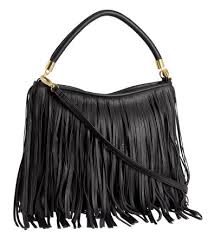 to a product. No cloth or faux leather can make the sheen of natural leather. A handbag made of leather is one of the must-haves in a fashionable closet. .It does not use materials that have been manufactured in a factory or a lab. It is unique in feel and touch. This lends luxury to the handbag which is sure to draw positive comments from your friends and associates.
Resistant to fungal attack
The question for many designer houses is how to store a designer bag for an extended period. Many designer bags are, after all, prone to fungal attacks and you need to be careful when taking care of your bag. Luxury bags are expensive and are investments that have been purchased after much thought. Imagine your beautiful bag being contaminated and destroyed by fungus. With leather, you don’t have to worry about this. The leather is naturally resistant to fungal attack, and thus it is not very cumbersome to store it.
Waterproof
Though not one hundred percent waterproof, leather does offer some degree of protection against moisture. So if you are going somewhere with your bag and it starts to drizzle, you can rest assured that the necessary documents in your bag will be safe, which is not the case in cloth bags.
Durability and flexible
 The leather is an extremely durable and flexible material unaffected by everyday wear and tear which is what makes it the ideal material for handbags. A good leather bag looks great even after years of use. Over time, it is known to become more flexible and soft because of its simplicity to clean and easy to keep up.
Conclusion
There are millions of leather design bags available for women today. As a result of the popularity, there is high demand for the bag. The beauty and comfortable nature of the leather bags can also influence the overall appearance, personality, and confidence of the owner.