

Related Post
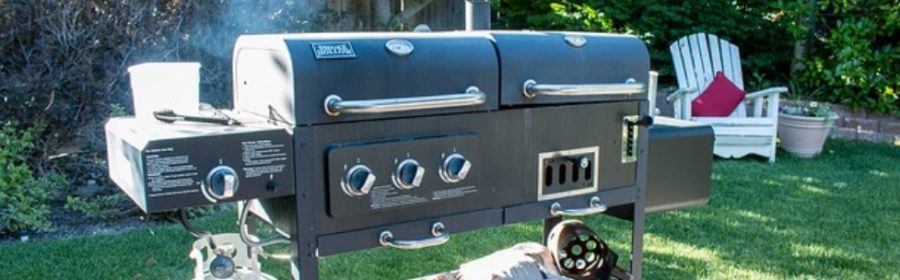
Most households in the United States have some type of grill, or barbecue. Most of these grills will last a long time, but when something goes wrong, they just replace them. Most of the components for these grills can be replaced with new parts.
Charcoal grills will need the least maintenance; they typically need new coal grates and metal cooking grills. Gas grills need more parts because they have many more components that wear down over time. Replacement parts for a gas barbecue include burners, valves, and the electric striker with valves and heat shields.
Here are some of the main parts of a grill;
Gas burners
 The burners are where all your heat comes from. They have been designed to cook or grill. The tank has pressure with a valve on the top of it. Attached to the valve is a high-pressure hose that goes to the grills on and off valve. The burner is a hollow pipe with the gas inlet and outlet ports, each will have their own separate control. Most grills have two burners, and there are smaller grills with only one.
Most burners on a gas grill are round burners. They have high-end grills that have up to four burners on them. The high-end grills are made of cast iron, and some are even stainless steelP.
Stainless steel grills and parts will last a lot longer than metal or aluminum grills do.
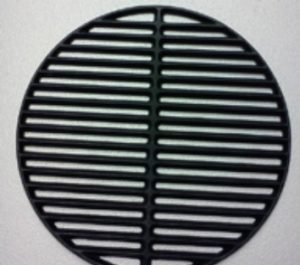
Grilling grates
The surface where you will be grilling your food on is the grate. Most of these will be stainless steel coated, so your food doesn’t stick while you are cooking; some high-end grates even come with no stick on them. When this need to be replaced, you will see the stainless steel coating will start to rust, or they get bent from taken them out over and over to clean them.
Rock grates or heat shield
The heat shield is the part that fits over the rocks that sits right above the burner. This stops the drippings that comes off of what you are grilling from hitting the burner and causing it to smoke or even catch fire. This part is made out of steel; it has to stand the most heat.
The heat shield is designed to stop the heat from making the tank get hot. It fits just under the bbq to reflect the heat.
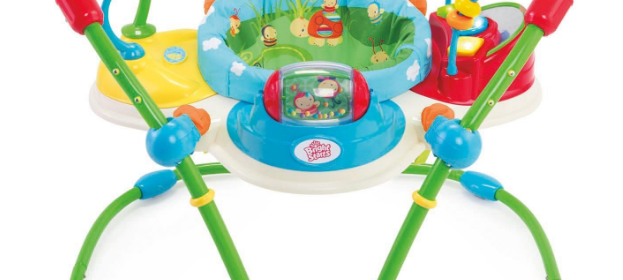
As your baby is growing, it’s important to have the right toys to help with their development through the coming months. With the help of activity jumpers, babies can establish a strong foundation for bone and muscle growth as well as boosting their fine motor skills. This list has the top-rated activity jumpers for babies that will keep them engaged and entertained.
Types
Fisher-Price Jumperoo
 Fisher-Price is one of the best companies to rely on when it comes to buying toys for your little one. Their Jumperoo collection gives babies the comfort and security they need to sit and play. The overhead canopy with hanging toys is phenomenal for encouraging the development of spatial sense and motor skills meanwhile making playtime more fun than ever before. It is incredibly stimulating with activities located all around the jumper. Once playtime is over, parents can easily pack up the unit and store it away.
Evenflo ExerSaucer
With the combination of learning, playing, and jumping, your baby will have the time of their life when they’re using the Evenflo ExerSaucer. With a 360-degree rotating bodice, babies can play with all of the interactive activities all around the jumper. They will be able to build their core strength and develop key muscles needed to promote healthy walking. With an integrated height adjustment feature, you can continue to use the unit for all ages, and it offers 2x more bounce than other jumpers on the market. Parents can also remove the toys from the unit to customize the playing experience.
Baby Einstein Musical Motion Activity Jumper
Third on the list of top-rated activity jumpers for babies is this Baby Einstein model. It offers an incredible amount of features that are not only useful for parents, but children as well. There are over 12 activities that your baby can enjoy including a light up piano that offers three different playing modes. The comfort features include a high back seat and top of the line padding for the utmost amount of comfort. The 360-degree rotating seat is essential for reaching all of the toys around the entirety of the unit so babies can have unrestricted access. With the machine washable seat, you can easily take the unit apart and sanitize it for safe play. Also, there are five different height settings, which make the unit useful throughout the most crucial years of your baby’s development.
Sassy Inspire The Senses Bounce Center
 The Sassy Inspire The Senses Bounce Center doesn’t offer as many features as the above three jumpers, but it is a cost effective and convenient solution for parents. This model offers three different height adjustment settings that can create a customized fit for your baby. The removable seat pad is great for regular cleaning and it also rotates 360 degrees, so your baby will have a full range of motion. With a mirrored spinner, play station, and wonder wheel, there are an ample amount of activities to keep your baby entertained. Also, parents can change the toys on the jumper to create new and exciting play experiences every day.

It is unfortunate, that with the vast advancements in auto technology people still get involved in vehicle accidents. In some cases, the cars involved in a collision can be recovered, and this is where getting the best repair services is crucial. Below we discuss how to determine the best services for your car collision repair.
Selecting the best car co
llision repair
References
This is an essential service selection initiative. By asking around or  scouring the web, you can get referrals from people who have had the same service provided to them. Especially when it comes to sensitive matters such as car collision, it is paramount that you hear what other people have to say before you attempt it. If a given service provider is known to provide the best services, chances are you will hear about them.
Staff
One of the most important factors is to check out the team that will be working on your vehicle. By randomly asking for their qualification you can quickly identify how competent the staff is. You want to choose a service provider that has experienced people in its team. This ensures that your wrecked vehicle gets the best restoration, which will make it safe to drive again.
Prices
As much as a service is proficient, it is still useless to you if it doesn’t fall under your budget. After making sure that the service provider is competent enough, ensure that you can afford their service. Some services are also overprices based on ridiculous patterns, for instance, a shop in a posh neighborhood might be expensive compared to a middle-class settlement are. Therefore, make your choice wisely based on your budget.
Added services
Added services such as towing can be an 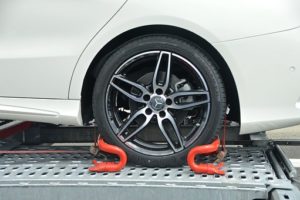 added advantage when selecting the ultimate car collision repair service. This ensures that you get all relevant services under one roof. While additional services are in no way a reflection of a service provider’s competence, it is still nice to have all the needed services provided by one entity. In some cases, this also ensures that the overall cost is cheaper.
These are some of the important factors to consider when seeking services for car collision repair. Cars are important, especially in contemporary times. Hence it is paramount to ensure that the individuals that work on it are qualified.