Related Post

Origami is the traditional Japanese art of paper folding, dating back to the 17th century. The word itself comes from two Japanese words – “ori” meaning folding, and “kami,” meaning paper. In Japanese culture, origami has long been associated with various rituals and traditions, often used as offerings or decorations in religious ceremonies. However, over the years, origami has evolved into a popular hobby and art form around the world. Christmas is not an exception. It is amazing to see how the Adventskalender für Kreativ-Fans has evolved to blend tradition with innovation, making it a beloved art form in today’s fast-paced world.
The Ancient Roots of Origami

Origami originated in ancient Japan, first introduced in the 6th century. The word “origami” itself is a combination of two Japanese words, “ori” (to fold) and “kami” (paper). Origami was reserved for religious ceremonies and special occasions in its early stages. It was a symbol of creativity and respect for tradition. As paper was considered a luxury item in Japan, only the wealthy could afford to practice origami. As the popularity of paper grew, so did the art of origami. It became more accessible to the masses and evolved into a form of entertainment and education.
Traditional Origami Techniques
Traditional origami involves folding a single sheet of paper into a sculpture without using glue or scissors. The process can be meditative, focusing on precise folding and simplicity. Traditional designs often include animals, plants, and geometric shapes. The most famous traditional origami design is the paper crane, which holds a special meaning in Japanese culture as a symbol of peace and hope.
Origami in the Modern Age
 In the modern era, origami has not only preserved its traditional roots but has also embraced new techniques and ideas:
- Mathematical Origami: Mathematicians have explored the geometric and mathematical aspects of origami, which has led to exciting new possibilities. The intersection of art and math has given rise to complex and intriguing origami creations.
- Modular Origami: This technique involves creating intricate structures by connecting multiple smaller folded units. The result is often large, intricate sculptures that can be both beautiful and awe-inspiring.
- Origami in Technology: Origami’s principles of folding and flexibility have found applications in various fields, including engineering, design, and space exploration. Foldable structures inspired by origami are now used in technology, medicine, and architecture.
- Artistic Expression: Contemporary artists have embraced origami as a form of artistic expression, pushing the boundaries of what’s possible with paper. They create intricate and visually striking pieces that bridge the gap between traditional and modern art.
- Origami in Education: Origami is now used as a teaching tool in schools, offering a hands-on way to explore geometry, problem-solving, and creativity. It’s an engaging method for both children and adults to learn while having fun.
The Popularity of Origami in Pop Culture

Origami has not only found its place in art and technology but has also made a significant mark in pop culture. It’s been featured in films, literature, and fashion, giving it a contemporary appeal. From the intricate origami creations in movies like “Blade Runner” to fashion designers using origamii-inspired folds in their clothing designs, the art form has resonated with people across the world.
Origami is a beautiful example of how art forms can adapt and thrive in a modern world. It’s a testament to the enduring appeal of tradition and the limitless potential for innovation. Whether you’re folding a classic crane or experimenting with complex mathematical origami, the world of origami offers a journey that blends the wisdom of the past with the curiosity of the present.

Aug
17
Top Hair Removal Techniques
In this day and age, it is important to be maintaining, upkeeping, and grooming your body. When we talk about grooming our body, one of the things we have to upkeep is our body hair. Men and women alike both have similar issues with body hair. Sometimes they grow in some areas of the body where we would like them to be hair-free. Some of these areas include the face, underarms, back, chest, arms, legs, as well as the bikini area. In order to keep them free of hair, there are several methods and techniques that we can use.
In this article, we will be discussing some of the most popular hair removal techniques. Here are some of the top hair removal techniques that you can use in order to keep your preferred area of the body free of hair:
Laser
 Laser hair removal is practically one of the most popular hair removal treatments. This treatment can easily be one of the top techniques for hair removal. When removing hair from your body with using this technique, that body parts will stay hair free longer.
Another upside of this treatment is that it is pain-free as well. The laser attacks the roots to keep it from growing. To get this treatment, you can go to clinics or salons. You can also check out victorian laser and skin clinic reviews for more information regarding laser hair removal treatments.
Shaving
Shaving is one of the most common hair removal techniques that are out there. This way of keeping your body free of hair is probably one of the most convenient ways of doing that because you can do this yourself in the comfort of your own home or anywhere you like. Shaving is one of the methods that need to be done often and on a regular basis. That is because hair grows faster after shaving compared to other hair removal techniques.
Waxing
 Another technique that you can use to get some parts of your body free of hair is waxing. Waxing is a technique that uses heated wax to remove the hair straight from its roots. The heated wax will be applied to the area of your body that you desire to be waxed and then it is covered by a strip of cloth. That strip of cloth is then stripped off. Hence, yanking out the hair.
This treatment can be done at a salon, waxing house, or local beauty parlor. You can also buy at-home waxing kits and do it your self in the comfort of your own home. Even though this treatment is less expensive than laser and lasts a bit longer than shaving, waxing is probably the most painful hair removal technique.
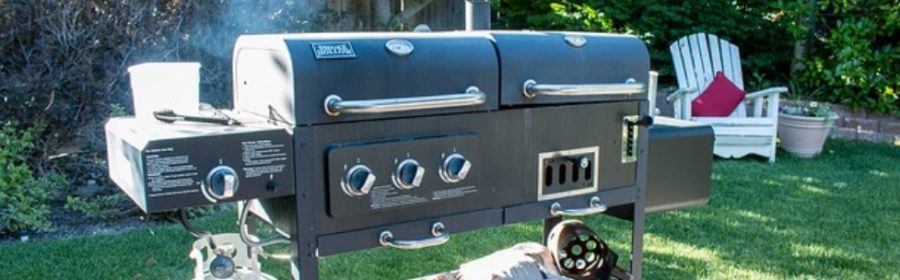
Most households in the United States have some type of grill, or barbecue. Most of these grills will last a long time, but when something goes wrong, they just replace them. Most of the components for these grills can be replaced with new parts.
Charcoal grills will need the least maintenance; they typically need new coal grates and metal cooking grills. Gas grills need more parts because they have many more components that wear down over time. Replacement parts for a gas barbecue include burners, valves, and the electric striker with valves and heat shields.
Here are some of the main parts of a grill;
Gas burners
 The burners are where all your heat comes from. They have been designed to cook or grill. The tank has pressure with a valve on the top of it. Attached to the valve is a high-pressure hose that goes to the grills on and off valve. The burner is a hollow pipe with the gas inlet and outlet ports, each will have their own separate control. Most grills have two burners, and there are smaller grills with only one.
Most burners on a gas grill are round burners. They have high-end grills that have up to four burners on them. The high-end grills are made of cast iron, and some are even stainless steelP.
Stainless steel grills and parts will last a lot longer than metal or aluminum grills do.
Grilling grates
The surface where you will be grilling your food on is the grate. Most of these will be stainless steel coated, so your food doesn’t stick while you are cooking; some high-end grates even come with no stick on them. When this need to be replaced, you will see the stainless steel coating will start to rust, or they get bent from taken them out over and over to clean them.
Rock grates or heat shield
The heat shield is the part that fits over the rocks that sits right above the burner. This stops the drippings that comes off of what you are grilling from hitting the burner and causing it to smoke or even catch fire. This part is made out of steel; it has to stand the most heat.
The heat shield is designed to stop the heat from making the tank get hot. It fits just under the bbq to reflect the heat.