

Related Post

May
08
Keeping A Healthy Mouth
A healthy mouth is important. Many people just think that when your mouth is dirty, it causes bad breath and cavities. Many other issues much worse than just cavities will happen if you do not take proper care of your teeth. Some major dental related illnesses and issues include gingivitis and abscess. These can cause serious pain and infection. With gingivitis, your gums become inflamed due to bacteria. This can cause the gums to recede, exposing the roots of your teeth. Not only does this severe cause sensitivity to certain foods and drinks, but it also can make it easier to get cavities.
Brushing Correctly
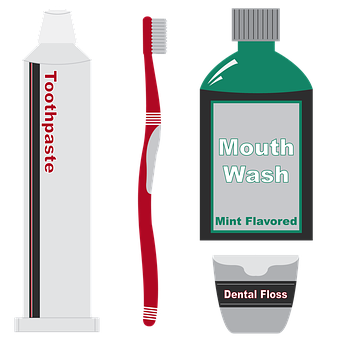 On the first lines of defense, you have in preventing a diseased mouth is brushing. To have a healthy mouth, you must brush at least two times per day. Preferably one should brush after eating each time to prevent bacteria build up on teeth. Not only is the act of brushing important, but the way you Bush is also even more so. When you are brushing, it is important to take your time and get into each crevice of each tooth if you can. Make sure to use circular strokes with your toothbrush. Once your toothbrush looks worn, replace it. A new toothbrush can go a long way in ridding your mouth of the germs that can cause bad breath and cavities.
Why Flossing Is Important
Most people do not think that flossing is important. On the contrary, flossing is important when fighting for a healthy mouth. Food can easily get stuck between teeth, well hidden from a toothbrush. Dental floss enables you to get in between teeth in the spaces your toothbrush cannot reach. It scrapes off all the plaque and builds up that simply brushing cannot do. The best time to floss is before you brush so that you can loosen and remove the plaque and wash it away after. Flossing a few times per day will help to keep all the build up out of your teeth. If you cannot squeeze in that much flossing, be sure to at least floss every night.
Other Ways To Keep A Mouth Healthy
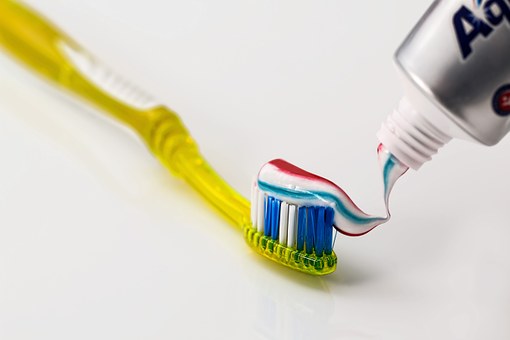 There are so many other products on the market today to help you sustain a healthy mouth. There are pre-rinses that you can use to help loosen plaque or color it to show you where to brush. These are great for children or those who are not so thorough with brushing. The market has a huge amount of mouthwashes that you can use after meals and brush to kill any germs that can lead to dental issues. These products can enable you to keep strong, healthy teeth and gums. A healthy mouth is extremely important. If your mouth becomes diseased, it can spread infection throughout the rest of your GI tract.

If you’re a vape enthusiast or just curious about what’s hot in the vaping scene, you’ve come to the right place. As we dive into the second half of 2023, the vaping industry continues to evolve and surprise us with innovative trends, including smoother thc vape oil.
2023 is setting an exciting era for both seasoned vapers and newcomers alike as they embrace these hottest trends in the world of electronic cigarettes. There is no shortage of exciting developments for vapers to explore. In this blog post, we’ll dive into the hottest vaping trends that have been making headline news in 2023.
Smaller Devices With More Powerful Features

In 2023, the trend has shifted from big chunky devices to smaller and more compact devices with incredibly powerful features packed into their sleek designs. These pocket-sized powerhouses offer vapers the convenience of portability without compromising on performance. With advancements in technology, manufacturers have managed to shrink down the size while enhancing the overall experience.
With this advance comes its notable feature: impressive battery life. Despite their diminutive stature, they boast longer-lasting batteries that can keep you vaping all day long. No more worrying about your device dying on you at an inconvenient time. Additionally, these compact devices often come equipped with adjustable wattage or temperature settings, allowing users to customize their vaping experience according to personal preferences.
Nicotine Salts
 These innovative e-liquids offer vapers a smoother nicotine hit compared to traditional freebase nicotine liquids. But what exactly are nicotine salts? Nic salts are a form of nicotine naturally present in tobacco leaves. They undergo a process known as salt formation, where they combine with an organic acid to create a more stable compound. This results in a milder throat hit while still delivering high nicotine levels.
Using nicotine salts means you can vape at higher concentrations without causing harshness or discomfort. This makes them particularly appealing to heavy smokers looking for a more satisfying alternative. These salts also offer a faster absorption rate into the bloodstream, providing vapers with instant satisfaction and helping curb cravings more effectively.
Customizable Vape Juice
Now this is what freedom looks like in the vaping world. Vape enthusiasts are now able to set up their own unique flavors and tailor their vaping experience to suit their preferences. With a wide range of options available, vapers can mix and match different unique flavors and nicotine strengths and even add extra ingredients like menthol or sweeteners.
Whether you prefer fruity blends, creamy desserts, or refreshing menthols, there are endless possibilities for creating your perfect vape. Not only does customizing your vape juice allow you to personalize your flavor profile, but it also gives you more control over your nicotine intake.
Vaping Devices With App Integration

With an app-integrated device, you can easily adjust settings such as temperature, wattage, and airflow right from your smartphone. No more fumbling around with buttons or menus on a tiny screen – simply swipe and tap to customize your vape to perfection.
But it doesn’t stop there. These apps also offer additional features like tracking your nicotine intake, monitoring battery life, and even finding nearby vape shops or fellow vapers who share your preferences. It’s like having a personal vaping assistant at your fingertips.

Millions of students graduate from universities across the world each year ready to enter the job market. However, some face several difficulties in getting jobs because of the minimal opportunities or openings within their areas. Some even have to wait for up to two years to land jobs. Job hunting is one challenge most fresh graduates face.
Many will exhaust different avenues to no avail. We are at a time when everything is going digital, and this has also made job hunting much easier. There are various online sites where you can look for jobs and also company reviews and ratings.
Most of these sites are simple to use because they have the right interface and features which makes it easier for any person. They have filters where you can type a search according to your level of qualification, the salary you need or the skills required. You can also have a look at the reviews of a specific company and to find out if you can fit there.
It is more convenient because you do not have to walk from one office to the other looking for a job. All you need to do is log in to the sites using your phone or computer and check the different openings available. There are a few things you can do to have a successful online job search. They include:
Research
To conduct a successful online job search, you must do your research better. Find out everything about your employer or the company you are looking forward to working with. Are they facing any challenges at the moment? What does their staff have to say about the company? Company reviews can help you have a clear understanding of all that.
Create Networks
You should take your time and create networks online and in person. You can do this by attending the networking events of different professional organizations and introduce yourself to various people. This will help grow your network, and you may see yourself get that job you searched for online very fast.
Ready Documents
You should always have all your job application documents ready. One is advised to have both hard and soft copies available. Always remember to update the soft copy of your application documents. You may find an employer who wants them at that very moment. Sending them late may see you miss out.