

Related Post

While it is a well-known fact that women love designer handbags, you can be confused about what type of handbag you might like. After all, there are some luxury handbags out there, and the one you choose needs to be perfect. Have you thought about buying a luxury Fringe Handbag? The leather fringe bags have multiple advantages and can help you in some ways. In case you think whether to purchase a leather bag or not, here are five reasons that leather bags are fabulous.
Benefits of leather designer fringe handbags
Natural product
Natural leather gives a very polished and classy look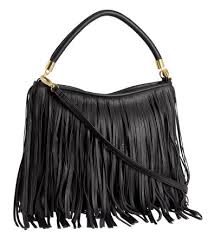 to a product. No cloth or faux leather can make the sheen of natural leather. A handbag made of leather is one of the must-haves in a fashionable closet. .It does not use materials that have been manufactured in a factory or a lab. It is unique in feel and touch. This lends luxury to the handbag which is sure to draw positive comments from your friends and associates.
Resistant to fungal attack
The question for many designer houses is how to store a designer bag for an extended period. Many designer bags are, after all, prone to fungal attacks and you need to be careful when taking care of your bag. Luxury bags are expensive and are investments that have been purchased after much thought. Imagine your beautiful bag being contaminated and destroyed by fungus. With leather, you don’t have to worry about this. The leather is naturally resistant to fungal attack, and thus it is not very cumbersome to store it.
Waterproof
Though not one hundred percent waterproof, leather does offer some degree of protection against moisture. So if you are going somewhere with your bag and it starts to drizzle, you can rest assured that the necessary documents in your bag will be safe, which is not the case in cloth bags.
Durability and flexible
 The leather is an extremely durable and flexible material unaffected by everyday wear and tear which is what makes it the ideal material for handbags. A good leather bag looks great even after years of use. Over time, it is known to become more flexible and soft because of its simplicity to clean and easy to keep up.
Conclusion
There are millions of leather design bags available for women today. As a result of the popularity, there is high demand for the bag. The beauty and comfortable nature of the leather bags can also influence the overall appearance, personality, and confidence of the owner.

Are you struggling to make your brand stand out in a sea of competitors? In today’s fast-paced digital landscape, staying relevant is key to success, and branding agency singapore seems to fully understand this concept. By harnessing the power of creative branding, digital presence, and trend adaptation, they can help your brand soar to new heights. Let’s dive into how partnering with a branding agency can revolutionize your brand’s image and keep you ahead of the curve.
Creative Branding
Creative branding is the heart and soul of your brand’s identity. It goes beyond just a logo or color scheme—it’s about crafting a unique story that resonates with your audience. A branding agency can help you tap into your brand’s essence and bring it to life in a way that captivates consumers. Creative branding sets you apart from the competition, from creating compelling visuals to developing a cohesive brand voice. Establishing a strong brand personality fosters trust and loyalty among customers. Always think outside the box with innovative marketing strategies and out-of-the-box campaigns that leave a lasting impression on your target market. With creativity at the helm, your brand can break through the noise and make a memorable impact in today’s crowded marketplace.
Digital Presence
A branding agency can help elevate your digital presence by creating a cohesive and engaging online strategy that resonates with your target audience. From eye-catching website design to compelling social media content, a strong digital presence can set your brand apart. By leveraging various digital channels, a branding agency can help amplify your brand’s voice and reach a wider audience. Consistency across all online platforms is key to building trust and credibility with consumers in the vast digital landscape. Embracing technology trends and staying agile in an ever-evolving digital landscape is essential for brands looking to thrive in today’s competitive market. A branding agency will also provide valuable insights and expertise to help navigate this dynamic space effectively.

Adaptation to Trends
Staying relevant in today’s ever-evolving market requires brands to adapt quickly to emerging trends. Trends are like waves in the ocean – they come and go, but riding them can propel your brand forward. By embracing new trends, you show your audience that you are tuned in to what’s happening now. Whether it’s incorporating popular hashtags on social media or leveraging the latest technology for a seamless customer experience, adapting to trends keeps your brand fresh and engaging. Monitoring consumer behavior and industry developments is key to identifying upcoming trends. This proactive approach lets you anticipate changes and position your brand ahead.
Brand Management
Brand management is the backbone of a successful brand strategy. It involves crafting a cohesive and consistent brand image across all touchpoints. Every aspect should reflect your brand’s values and personality, from your logo to your messaging. Consistency is key in brand management. Ensuring your audience receives the same experience whether they interact with you online or offline is crucial for building trust and recognition. Monitoring and analyzing how consumers perceive your brand is another important aspect of brand management. Using feedback and data to adjust strategies can help you stay relevant in an ever-evolving market.
By collaborating with a branding agency, you can confidently navigate the market landscape’s complexities. Embrace change, stand out from the competition, and foster customer loyalty by investing in your brand’s growth and relevance. Remember, staying ahead in the market is not just about survival – it’s about thriving. Let a branding agency empower your brand to reach new heights of success.

It takes a responsible person to successfully keep a cat. The many years that humans have domesticated cats have made them completely reliant to humans. They rely upon humans for their food and company. At times, it becomes very hard to keep up with their feeding schedule, given how a day might be dynamic. To the rescue comes the automatic cat feeder, a machine that can be scheduled to feed the cat at given times of the day. These amazing machines come in all shapes and sizes, making sure that they cater for your cat’s needs. See their rankings here to ensure that you get the best. Below we take a look at the advantages of feeding your cat with an automatic cat feeder.
Why you should get an automatic cat feeder
Better time management

The main reason one would get an automatic cat feeder is to feed the cat whenever they are busy elsewhere. Many people these days work in offices that require them to be in attendance for the better part of the day. Taking into consideration the traveling to and from the office, the cat is pretty much left alone during the day. Therefore an automated machine that can be programmed to feed the cat at a given the time of day would be great, as it allows the cat owner to take care of their pet even though they are away.
Ration the intakes
In the olden days, cat owners would simply leave a bowl full of cat food and trust the cat to ration itself. The truth is, cats are not intelligent enough to know that they should save up for future meals. This made them overeat, leading to eating disorders. So with a proper automated feeding machine, one can easily instruct it to release a given amount of food at given intervals, making it easy to control the amount of food the cat eats at a go.
Ensure all pets get their share
This is for people with multiple pets, say several cats or e ven a cat and a dog. Eventually, their paths will cross, and they will end up fighting for food. Usually cats can easily share their meals but at sometimes, they might fight for it, and the weak one might end up not getting anything to eat. Some automatic feeding machines have the capability to read chipped tags on pets, and depending on the configuration, only open a lead that covers the food so that certain pets cab eat at given times.