

Related Post
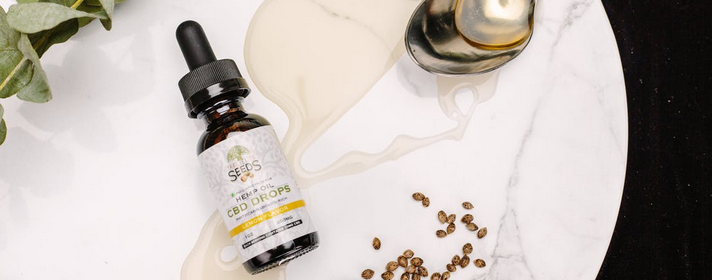
If you’re new to CBD, you might wonder about the fuss. CBD has provided many health benefits, from reducing anxiety and inflammation to helping with sleep and pain relief. We will discuss the top 5 things that you can do with CBD. Keep reading to learn more.
Mix Them
While mixing alcoholic beverages is common in the bartender world, it is not often done with CBD oil. However, there are a few bartenders who have started to experiment with CBD cocktails. The results have been mixed (pun intended). Some people say that CBD makes them feel more relaxed and less anxious, while others find it doesn’t do much for them. If you’re interested in trying a delta 9 THC free CBD cocktail, ask your bartender if they can make you one.
CBD Oil and Coffee
If you love coffee but find it sometimes makes you feel jittery or anxious, adding a little CBD oil to your cup may help calm those nerves. You can buy CBD oil online or at some health food stores. Start by adding a drop or two of oil to your coffee and see how you feel. If you don’t notice any difference, you can try increasing the amount you use until you find the right dose for you.
Make CBD Gummies
 If you’re looking for an easy and delicious way to take CBD, making your own gummies is a great option. You can find CBD gummy molds online or at your local craft store. Simply add the oil to your favorite gummy recipe and let the mixture set in the mold. Once they’re firm, you can enjoy your homemade CBD gummies any time of day.
Add It to Your Beauty Routine
CBD oil is not just for ingestion. You can also use it in your beauty routine to help improve the appearance of your skin. CBD oil is known for its anti-inflammatory properties, which can help reduce redness and swelling. It can also help hydrate the skin and protect it from environmental damage. Simply add a few drops of oil to your favorite lotion or cream and apply it to your skin like any other product.
Take It Sublingually
If you want to experience the fastest possible relief from CBD, taking it sublingually (under the tongue) is the way to go. Taking CBD oil sublingually bypasses the digestive system and is absorbed directly into the bloodstream. This means that it takes effect more quickly than if you were to ingest it. Simply place a few drops of oil under your tongue and hold it there for 30-60 seconds before swallowing.
CBD has become increasingly popular in recent years, as more people are beginning to learn about its many potential health benefits. If you’re thinking about trying CBD, you should keep a few things in mind:
- Make sure to purchase your oil from a reputable source.
- Start with a small dose and increase gradually as needed.
- Experiment to find the method of consumption that works best for you.
Do you have any questions about CBD? Let us know in the comments below.

While it is a well-known fact that women love designer handbags, you can be confused about what type of handbag you might like. After all, there are some luxury handbags out there, and the one you choose needs to be perfect. Have you thought about buying a luxury Fringe Handbag? The leather fringe bags have multiple advantages and can help you in some ways. In case you think whether to purchase a leather bag or not, here are five reasons that leather bags are fabulous.
Benefits of leather designer fringe handbags
Natural product
Natural leather gives a very polished and classy look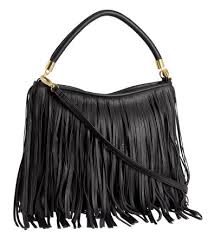 to a product. No cloth or faux leather can make the sheen of natural leather. A handbag made of leather is one of the must-haves in a fashionable closet. .It does not use materials that have been manufactured in a factory or a lab. It is unique in feel and touch. This lends luxury to the handbag which is sure to draw positive comments from your friends and associates.
Resistant to fungal attack
The question for many designer houses is how to store a designer bag for an extended period. Many designer bags are, after all, prone to fungal attacks and you need to be careful when taking care of your bag. Luxury bags are expensive and are investments that have been purchased after much thought. Imagine your beautiful bag being contaminated and destroyed by fungus. With leather, you don’t have to worry about this. The leather is naturally resistant to fungal attack, and thus it is not very cumbersome to store it.
Waterproof
Though not one hundred percent waterproof, leather does offer some degree of protection against moisture. So if you are going somewhere with your bag and it starts to drizzle, you can rest assured that the necessary documents in your bag will be safe, which is not the case in cloth bags.
Durability and flexible
 The leather is an extremely durable and flexible material unaffected by everyday wear and tear which is what makes it the ideal material for handbags. A good leather bag looks great even after years of use. Over time, it is known to become more flexible and soft because of its simplicity to clean and easy to keep up.
Conclusion
There are millions of leather design bags available for women today. As a result of the popularity, there is high demand for the bag. The beauty and comfortable nature of the leather bags can also influence the overall appearance, personality, and confidence of the owner.

Capturing the magic of evening and night weddings presents a unique set of challenges, particularly when working with low-light conditions. As an Austin Engagement Photographer, mastering the art of navigating these challenges opens the door to creating stunning images that tell a captivating story of love under the stars. In this guide, we’ll explore tips and techniques to help you embrace low-light scenarios and capture breathtaking shots that illuminate the romance of evening and night celebrations.
Invest in Quality Equipment

Low-light photography demands quality gear. Invest in a camera with excellent low-light performance and fast lenses that allow for wider apertures. Consider prime lenses with low f-stops, such as f/1.4 or f/1.8, to maximize the amount of light entering the lens.
Embrace Available Light
Make the most of available natural or ambient light during evening and night weddings. Whether it’s the soft glow of string lights, the warm radiance of candles, or the subtle illumination from nearby city lights, these sources can contribute to a magical atmosphere. Position your subjects strategically to leverage existing light for captivating compositions.
Use Off-Camera Flash Creatively
Off-camera flash can be a game-changer in low-light situations. Experiment with off-camera flash setups to create dynamic lighting effects. Bounce flash off nearby surfaces or use diffusers to soften the light, avoiding harsh shadows and maintaining a natural look.
Prioritize Autofocus in Low-Light
Switch to a lens with a wide aperture and a camera with reliable low-light autofocus capabilities. Utilize single-point autofocus to ensure precise focus on your subjects, especially when working with shallow depth of field in low-light conditions.
Capture Candid Moments
Low-light settings lend themselves beautifully to capturing candid and intimate moments. Encourage couples to share a dance, a quiet moment, or a stolen kiss under the stars. Candid shots in low light can evoke genuine emotions and tell a heartfelt story.
Utilize High ISO Settings With Caution

While high ISO settings can enhance low-light performance, be mindful of potential noise in your images. Strike a balance by finding an ISO setting that allows for proper exposure without compromising image quality. Modern cameras often handle higher ISOs well but test and adjust settings accordingly.
Plan and Scout Locations
Before the event, scout the wedding venue during the evening to identify key locations with adequate lighting. Plan your shots and consider the placement of existing light sources. This preparation ensures that you’re ready to capture beautiful moments without the need for excessive artificial lighting.
Incorporate Silhouettes
Embrace the enchanting allure of silhouettes in low-light conditions. Position subjects against bright backgrounds or sources of light, allowing their contours to be highlighted against the backdrop. Silhouettes add a touch of drama and mystery to evening and night shots.
Emphasize the Night Sky
If the wedding takes place under a starlit sky, use it to your advantage. Capture couples against the backdrop of the night sky, allowing the stars to add a celestial touch to your images. A slower shutter speed can enhance the appearance of stars, creating a dreamy atmosphere.
Navigating low-light challenges in evening and night wedding photography requires a combination of technical skill, creativity, and adaptability. By investing in quality equipment, utilizing available light creatively, and employing strategic techniques, you can capture stunning images that not only preserve the beauty of the moment but also illuminate the romance and magic of weddings under the stars.