

Related Post
It can be challenging to remember where your paycheck goes when you’re earning an income. When taxes are taken out of your earnings, you might not clearly understand how much is going towards the various deductions and what’s going to be left over for living expenses. A pay stub will provide a detailed breakdown of all these things so that you know what’s happening with your money. However, make sure your employers use the best pay stub generator so that your pay stub is always accurate. In this post, let’s discuss why you might need a pay stub.
Helps Apply for a Loan
 If you need a loan, having a pay stub can be very helpful. Lenders often require proof of income before they’ll approve a loan, and a pay stub is the best way to provide this information. You might have to provide other documents such as bank statements or tax returns to prove your income without a pay stub. Having a pay stub can also be helpful when you’re trying to sell or buy a home. Most lenders require proof of income before they’ll approve a mortgage, and having a pay stub will make the process much easier.
Makes Sure You’re Not Underpaying Taxes
One of the most important reasons to have a pay stub is so that you can be sure you’re not underpaying your taxes. The IRS requires employers to report wages, salaries, and other income information for each employee. This information is used to calculate how much tax needs to be withheld from each paycheck. If you don’t receive a pay stub, you might not realize that the money withheld from your wages is too little.
Comes in Handy When Renting an Apartment
If you’re renting an apartment, your landlord will likely require a copy of your pay stub. The rent is often based on how much money you earn. By providing a pay stub, you can show your landlord that you’re able to afford the rent and that you have a steady income. Having a pay stub can be very helpful in several different situations. If you’re not sure whether or not you need one, talk to your employer about getting one. It can be an excellent tool for understanding your finances and ensuring that you’re taking full advantage of all the deductions available to you.
Receives Compensation in the Event of an Injury
 If you’re injured at work, your employer might provide compensation in the form of a pay stub. It is often called workers’ compensation. You can ensure that you’re getting the correct amount of money for each paycheck by having a pay stub. It can be challenging to prove that you’re receiving the right amount without a pay stub. If your employer denies that you’re getting paid, a pay stub can be very helpful in proving it to them.
Having a professional-looking pay stub can help you in so many ways. However, make sure to use the best online pay stubs maker so that your pay stub complies with any federals in states. Aside from that, you need to see if the information in your pay stub is accurate.

Feb
27
How to play chess
Introduction
Many board games are played around the world today, and chess is a popular one. It is a game played by those of many ages. From young kids to the seniors enjoy the stimulation it provides to the mind. If you want to start playing the game or only looking to upgrade your board, you can select from many themes. The dragon keep game model is rather popular and will give a slight change from the standard ones that are seen on the market.
Chess
With a history that can be traced  back to 7th century India, chess got is current look and powers in Spain during the 15th century. It has only grown since then and now there is a world chess federation that organizes and regulates many championships. There are competitions for women, juniors and of course the world championships. In fact, it was a recognized Olympic sport until very recently.
The goal of the game
Chess is a game of strategy and is similar to a battle being fought on a battlefield. The idea is to reduce the opponents army (pieces) and capture (checkmate) the king. A checkmate refers to when the king of your opponent cannot make a move without being taken down.
How to play
Each player will start with 16 pieces. Each one has its unique powers which must be used wisely in order to take down the others pieces. The most powerful one is the queen, and you can move it in any direction vertically, diagonally forward and backward. The player with the white pieces normally starts first and then the steps will go in turn. Once a piece is moved to a new square, it cannot be changed back.
Timed game
You can also use a timer clock in case you are competing. This close has two dials and two buttons. Once a player makes a move, he presses the button which wills tart the other player’s clock. It is a countdown timer and whoever is in a better position at the end of the timer will win. A player may also retire from the game if he has lost a lot of pieces and defeat becomes imminent.
 Conclusion
 Conclusion
Chess is a game of intellect and strategy and is favored by strategists and intelligent individuals. You too can start playing and learn the many benefits and fun you can have with this age old game.
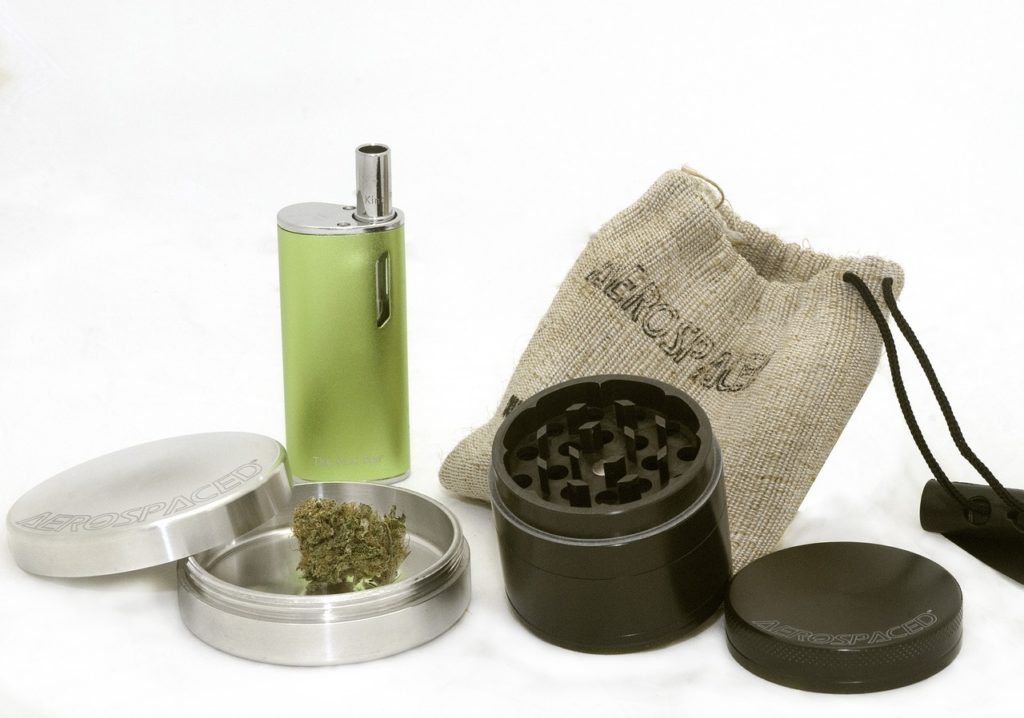 The marijuana market keeps growing by the day. With more and more states legalizing marijuana, things have also changed with the way this cannabis is consumed. Unfortunately, despite the fact the sale and consumption are legal, the black market continues to thrive.
Any customer reserves the right to choose where to buy stuff. And when it comes to buying marijuana, you can either opt to buy from a local dealer, which is illegal, or buy it from a registered dispensary.
Buying From an Online Dispensary Reduces Health Risks
Illegal marijuana growers usually do not have an incentive to ensure they sell safe products. Products sold at legal dispensaries are often subject to rigorous tests and must be grown under strict regulations. Buying marijuana from an online dispensary means that you will be using products that have been proven safe and effective. The safety of marijuana sourced from illegal dealers might not be much of a concern in the short term, but it poses considerable health risks in the long run.
Dispensaries Offer Expert Advice
Buying marijuana from a licensed dispensary means that professionals will serve you. As a result, you can get expert advice from these professionals, who have in-depth knowledge about the strength and suitability of different strains of marijuana. And the fact that dispensaries have a reputation to protect, you can be sure that they have to act in your best interests by providing you with an informed opinion.
Dispensaries Offer More Options
Buying marijuana from a dispensary means that you will be served with relatively more options, most of which might not be offered by local dealers. Local dealers usually do not have the capacity nor the networks to gather an assortment of quality strains. When purchasing marijuana from a dispensary, you will be furnished with information regarding the potency of the product. Furthermore, you have an array of strains to explore.
Hopefully, these reasons should convince you to buy marijuana from a licensed dispensary. The good news is that there also online dispensaries that allow you to access and purchase marijuana from home.