
Related Post

Every business is a gamble for most entrepreneurs. You can make a lot of money or lose it with minimal effort. However, that doesn’t mean vending machines are out of reach for entrepreneurs. With these six tips, you can dramatically increase your vending machine revenue.
Perhaps you are unhappy with your current income or want to make more money. If this is the case, you might consider starting a vending machine business.
Decide What You Want to Sell
 There are many ways potential entrepreneurs can sell vending machines. Most people associate vending machines with the candy and drink machines found outside supermarkets. However, vending machines can also be used to sell candy, gum, and stickers.
Refrigerated vending machines can be used for snacks and lunch. You can rent or buy toiletries from vending machines and purchase personal items from vending machines. At airports, there are electronic vending machines that sell chargers and wireless headphones. Think about the products you want to sell and then consider the costs of setting up your business.
Choose the Right Location for Your Product
 As with any retail business, location is crucial to the success of a vending machine. The best locations are those that offer the most opportunities. Locations should match the products you sell. Good locations should not have vending machines. However, you are likely to find that the best locations in your area are already occupied. The choice of products should be suitable for your chosen location and traffic. Even the most popular products may not sell in a busy area if the target market is incorrect.
Determine Your Target Market
 Market research is an essential part of any business plan. This is true in this industry as well. Pretty sure that you have seen vending machines offering snacks or drinks when you’re out and about. People may need something to eat between meals in churches, schools, entertainment centers, and other busy activities. A vending machine is convenient for those who need a quick snack or drink at these locations. You may not have realized how well-maintained vending machines are. Even small and medium-sized businesses can serve their communities in this way.
Summary
If you have vending and business experience, it may make sense to start your own vending company. You will need to find reputable vending machine companies, receive training, and identify the best locations for your vending business. If you have never worked in vending before, this can take much longer. This means that starting a vending machine business can be difficult and time-consuming for a newcomer. Starting your own vending machine business is best for those who can confidently negotiate the best positions and devote a lot of time to starting the business.

Feb
27
How to play chess
Introduction
Many board games are played around the world today, and chess is a popular one. It is a game played by those of many ages. From young kids to the seniors enjoy the stimulation it provides to the mind. If you want to start playing the game or only looking to upgrade your board, you can select from many themes. The dragon keep game model is rather popular and will give a slight change from the standard ones that are seen on the market.
Chess
With a history that can be traced 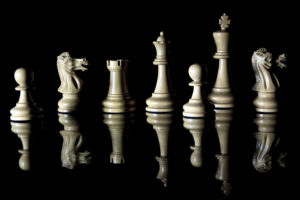 back to 7th century India, chess got is current look and powers in Spain during the 15th century. It has only grown since then and now there is a world chess federation that organizes and regulates many championships. There are competitions for women, juniors and of course the world championships. In fact, it was a recognized Olympic sport until very recently.
The goal of the game
Chess is a game of strategy and is similar to a battle being fought on a battlefield. The idea is to reduce the opponents army (pieces) and capture (checkmate) the king. A checkmate refers to when the king of your opponent cannot make a move without being taken down.
How to play
Each player will start with 16 pieces. Each one has its unique powers which must be used wisely in order to take down the others pieces. The most powerful one is the queen, and you can move it in any direction vertically, diagonally forward and backward. The player with the white pieces normally starts first and then the steps will go in turn. Once a piece is moved to a new square, it cannot be changed back.
Timed game
You can also use a timer clock in case you are competing. This close has two dials and two buttons. Once a player makes a move, he presses the button which wills tart the other player’s clock. It is a countdown timer and whoever is in a better position at the end of the timer will win. A player may also retire from the game if he has lost a lot of pieces and defeat becomes imminent.
 Conclusion
 Conclusion
Chess is a game of intellect and strategy and is favored by strategists and intelligent individuals. You too can start playing and learn the many benefits and fun you can have with this age old game.

If you own a cat, you can enjoy some benefits from investing in the best cat litter mat. Cats can mess the house if they are not taken care of. Almost all cats like to cover their poops, and therefore you need to provide kitty litter mat. After they are done with their business, their paws are usually messy and can easily litter the house. So, they need a mat to clean the paws.
Benefits of kitty litter mat
Cleans the cat’s paws
It is important to know your cat will feel uncomfortable when its paws become dirty. For this reason, in the absence of a kitty litter mat, your cat will use any material or object available to clean its paws. To help keep your carpets, expensive sofas, as well as rugs clean, it is important to buy a kitty litter mat for your cat.
Help keep your home clean
The kitty litter mat is supposed to be placed under your cat’s litter box. Once the cat leaves its litter box, its paws will always collect some dirt as well as several pieces of tiny litter. When returning to the litter box, the dirt and litter that it has picked on its paws will be wiped off by the litter mat. Also, every time the cat is leaving the litter box, the kitty litter mat will help wipe off any litter and dirt that it may have picked inside the litter box.
It is easier to clean your cat’s litter box
Cleaning a kitty litter mat is very easy; just shake the dirt off and then machine wash it. You can also use other methods of cleaning; including using a vacuum cleaner or a wet sponge. Cleaning the litter mat regularly helps keep it clean and hygienic.
Help prevent diseases from spreading
Allowing your cat’s dirty litter and feces to spread all over the house can expose your loved ones as well as your cat to disease. This is because cat feces contain certain bacteria, including E. coli, which can cause illnesses to the members of your family, especially to young children who are aged 5 and below. Using a litter mat will certainly help reduce the spread of cat litter and feces, thus lowering the risk of diseases.

Conclusion
Kitty litter mats are readily available in many stores and come in a variety of styles and sizes. It is advisable to buy one for your cat. You just need to ensure that you choose the best one for your cat in terms of style and size.