

Related Post
Due to advancement in the level of technology, it has become so easy for one to acquire vital information on how to handle various issues. The information obtained may be for ill-intended motives and locksmith is no difference to this negative motive. When dealing with locksmith, one need to be vary careful as you may end up using the service of those who may come to harm you in the long run.
As you know, a locksmith will always have a complete access to your house, car or business and this may leave you vulnerably exposed if the service is not done by a none reputable entity and if not done in a proper manner. Therefore, one needs to consider the following when choosing a reputable locksmith.
Approval from Recognized Institutions
When you want to get the service of a locksmith, you need to get the approval of the concerned institutions. Institutions like business bureau or MLA (Master Locksmith Association). The business Bureau recommended locksmith will only refer you to companies which do not have any unresolved cases and therefore giving you a good locksmith company.
MLA will also recommend only those companies which have been vetted and regularly inspected and could not have been trading if it has a bad reputation.
Consider years of Operation
 When you want to choose a reputable locksmith you need to take into account the years a given company has been operating. The companies which have been in operation will give you an opportunity to check on their historical background and know if they had been involved in any illegal activities. How long the business has been using its name should also help in determining if actually, it’s a reputable company.
The company which frequently change its name may raise the fear that they are abandoning the initial name to hide their negative image or illegal activities they are involved before.
Consider the level of Investment
When you are choosing a locksmith company one need to consider the resources owned by the companies. Companies which have a huge investment may not likely be involved in negative activities as it may take them time to relocate to another area of operation considering the costs that will be involved for such relocation to take place.
Therefore, this type of companies is preferred to a small and mobile locksmith companies.
Seek recommendation from third parties
When looking for a reputable locksmith company one need to seek a recommendation from other people and entities which might have been in contact with some locksmith companies.
Ask trusted entities or families on the services they were given the companies they dealt with before and if they were happy with the service. If there is a company which has been recommended by many, then that should be a reputable company.
Understand if the company is insured
This will help you understand if the cost of insurance is enough to get you covered in case of anything. Insured businesses are also unlikely to get themselves into illegal activities as they are being regulated by the insurer who inspect them before insuring the business.
Conclusion
 Determining the company to offer the locksmith service is very import because some companies are riskier dealing with than actually being without the locks. They can later come to harm you with the information obtained during service delivery. So be careful to know exactly which one is best for you.
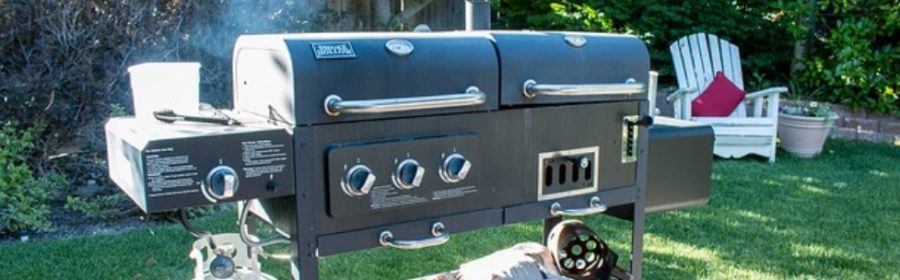
Most households in the United States have some type of grill, or barbecue. Most of these grills will last a long time, but when something goes wrong, they just replace them. Most of the components for these grills can be replaced with new parts.
Charcoal grills will need the least maintenance; they typically need new coal grates and metal cooking grills. Gas grills need more parts because they have many more components that wear down over time. Replacement parts for a gas barbecue include burners, valves, and the electric striker with valves and heat shields.
Here are some of the main parts of a grill;
Gas burners
 The burners are where all your heat comes from. They have been designed to cook or grill. The tank has pressure with a valve on the top of it. Attached to the valve is a high-pressure hose that goes to the grills on and off valve. The burner is a hollow pipe with the gas inlet and outlet ports, each will have their own separate control. Most grills have two burners, and there are smaller grills with only one.
Most burners on a gas grill are round burners. They have high-end grills that have up to four burners on them. The high-end grills are made of cast iron, and some are even stainless steelP.
Stainless steel grills and parts will last a lot longer than metal or aluminum grills do.
Grilling grates
The surface where you will be grilling your food on is the grate. Most of these will be stainless steel coated, so your food doesn’t stick while you are cooking; some high-end grates even come with no stick on them. When this need to be replaced, you will see the stainless steel coating will start to rust, or they get bent from taken them out over and over to clean them.
Rock grates or heat shield
The heat shield is the part that fits over the rocks that sits right above the burner. This stops the drippings that comes off of what you are grilling from hitting the burner and causing it to smoke or even catch fire. This part is made out of steel; it has to stand the most heat.
The heat shield is designed to stop the heat from making the tank get hot. It fits just under the bbq to reflect the heat.
A water heater is an essential appliance that provides warm water for various household tasks, such as showering and washing dishes. However, like any other mechanical system, it requires regular maintenance to ensure optimal performance and longevity. Neglecting proper maintenance can lead to a shorter lifespan of your water heater and eventually the need for costly repairs or replacement.In this guide, we will discuss the importance of water heater maintenance and some simple steps you can take to extend the lifespan of your system.
Importance of Water Heater Maintenance
Regular maintenance is crucial for keeping your water heater running smoothly and efficiently. Here’s why:

- Prevents breakdowns: Just like any other appliance, a water heater can break down unexpectedly. However, with regular maintenance, you can catch any potential issues early on and prevent them from turning into costly breakdowns.
- Saves money: By taking care of your water heater regularly, you can avoid expensive repairs or even the need for a replacement. Additionally, a well-maintained system operates more efficiently, resulting in lower energy bills.
- Increases lifespan: A water heater that receives regular maintenance can last longer than one that is neglected. With proper care, you can extend the lifespan of your system by several years.
- Ensures safety: A properly maintained water heater is less likely to experience malfunctions or leaks, which can cause damage to your home and pose a safety hazard to you and your family.
Simple Steps for Water Heater Maintenance
Now that you understand the importance of water heater maintenance, here are some simple steps you can follow to keep your system running smoothly:
- Check the temperature and pressure relief valve (T&P valve) regularly: This valve is a crucial safety feature that releases excess pressure from the tank. Make sure it is functioning correctly by testing it at least once a year.
- Drain and flush the tank: Over time, sediment and mineral deposits can build up in your water heater tank, reducing its efficiency and potentially causing damage. To avoid this, drain and flush the tank at least once a year.
- Inspect the anode rod: The anode rod is responsible for attracting corrosive minerals that would otherwise damage the tank. Check it annually and replace if necessary.
- Insulate exposed pipes: If you have a water heater that uses hot water storage tanks, consider insulating any exposed pipes to prevent heat loss and save energy.
Factors to Consider When Choosing a Water Heater

In addition to regular maintenance, choosing the right water heater for your household needs can also impact its lifespan. Some factors to consider include:
- Fuel source: Water heaters can be powered by electricity, gas, or solar energy. Choose the fuel source that is readily available and most cost-effective in your area.
- Tank size: The size of your tank will depend on the number of people in your household and their hot water usage. A larger tank can provide more hot water but may also consume more energy.
- Energy efficiency: Look for a water heater with an ENERGY STAR label, which signifies that it meets certain energy efficiency guidelines. This can result in significant cost savings over time.
Maintaining your water heater isn’t just a chore. It’s an investment in the comfort and functionality of your home. By following these maintenance tips and performing regular checks, you not only ensure a reliable supply of hot water but also extend the life of your water heater. A well-maintained water heater not only provides comfort but also contributes to energy efficiency and cost savings, ensuring your hot showers remain a daily luxury for years to come.